Connecting academic education and TVET
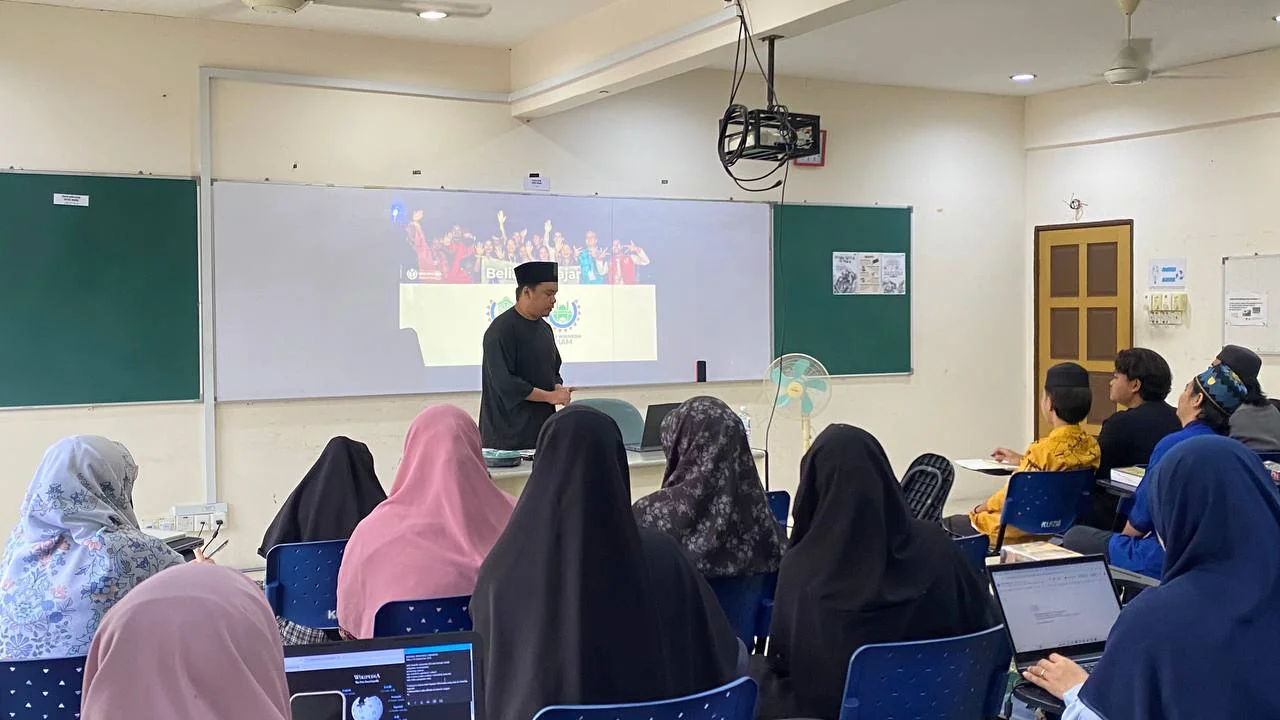
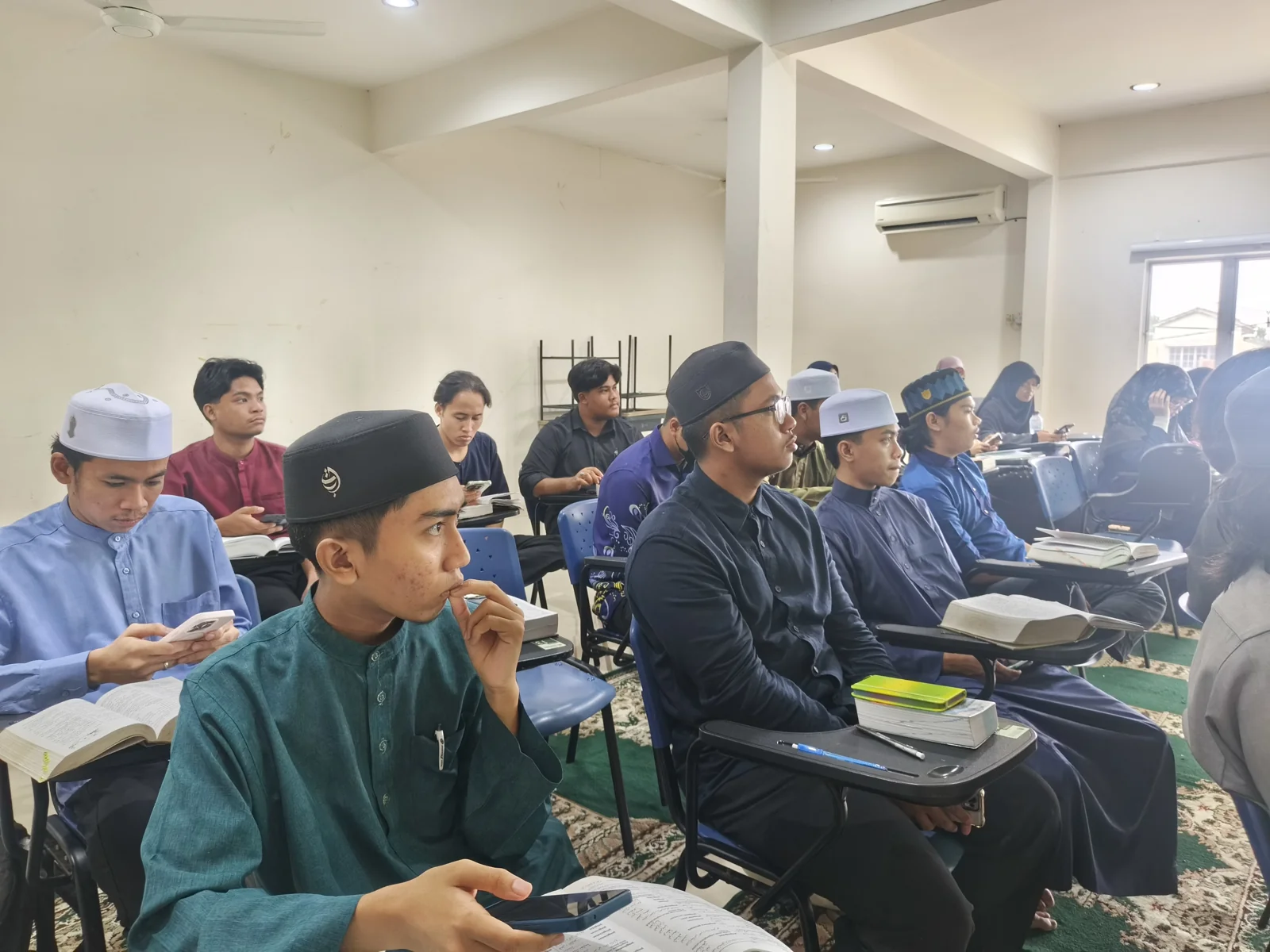
MIPN advocates stronger connections between academic education and Technical and Vocational Education and Training (TVET), with smoother learning transitions, practical experience and closer engagement between institutions and employers.
We also encourage discussions on recognising prior learning through the relevant institutions and established assessment processes.
Strengthening industry collaboration
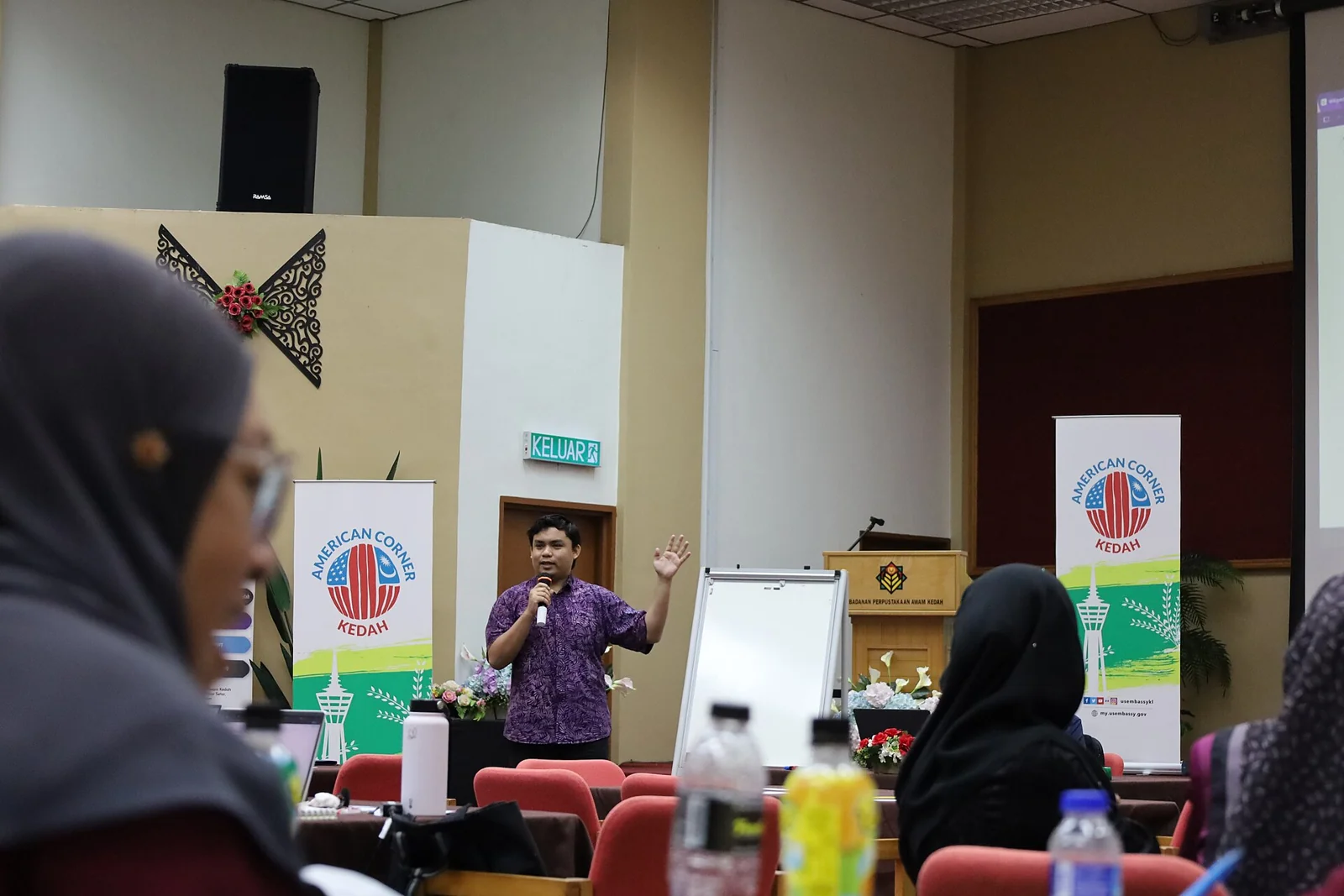
Education becomes more relevant when learners understand how knowledge applies at work. We seek collaboration on workplace exposure, professional development and training informed by employer needs.
These connections help institutions understand emerging skills requirements and prepare learners for changing careers.
Supporting lifelong learning and digital skills
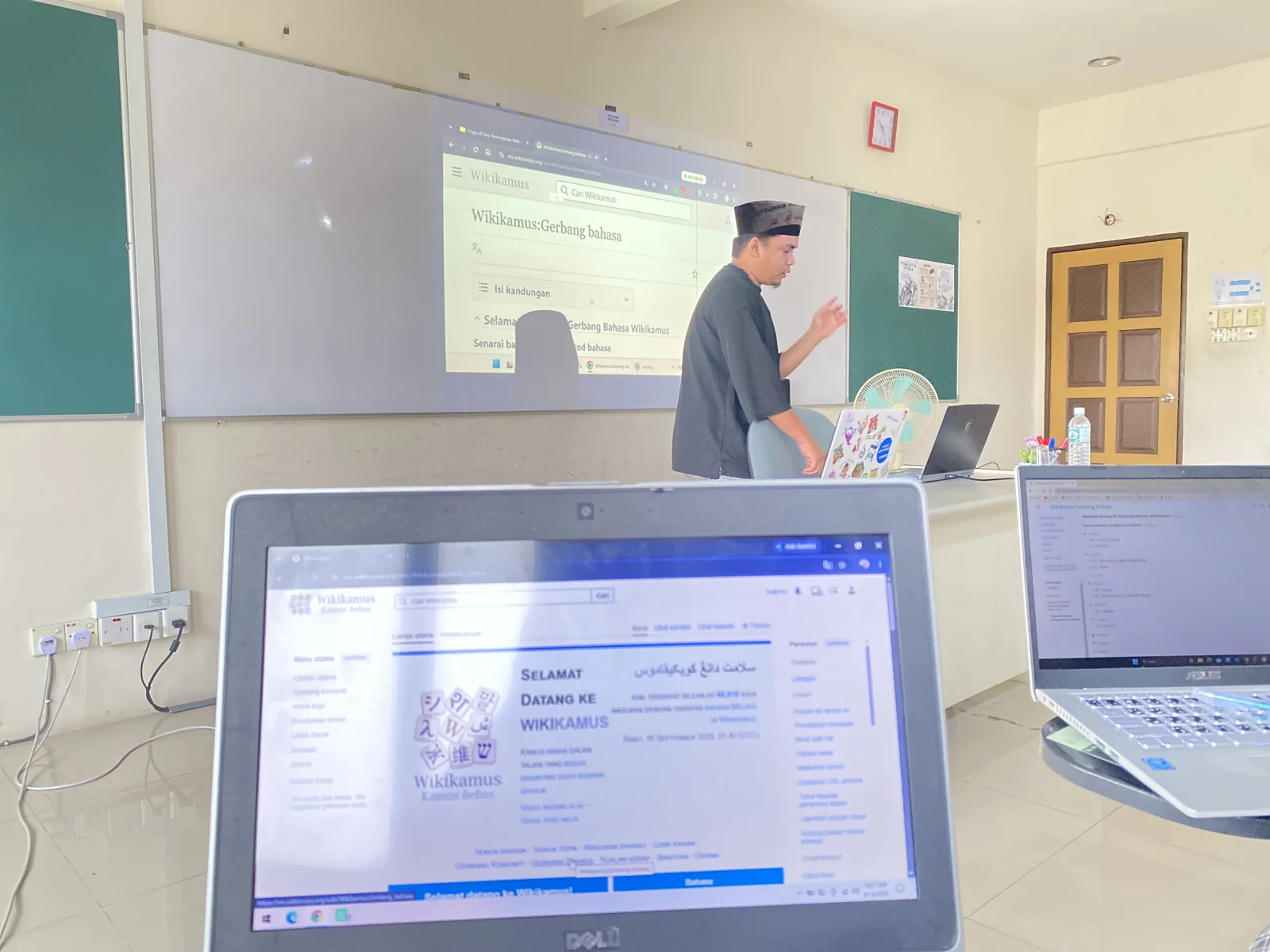
Learning should remain accessible throughout every stage of life. Our priorities include flexible courses, online learning and opportunities for working adults.
We also encourage exploration of artificial intelligence and data technologies within education and skills development.
Community support and educational access
Financial challenges can limit educational choices. MIPN’s development plans prioritise underserved learners and communities, with proposed corporate-supported scholarships, subsidised training, assistance for lower-income households and inclusive learning for persons with disabilities.
These initiatives depend on available funding, suitable partnerships and programme readiness. Eligibility and application details will be published as opportunities become available.